Preparing Your Templeton Home For A Smooth, Successful Sale
May 21, 2026
May 21, 2026
Selling a home in Templeton is not just about putting a sign in the yard and waiting for offers. In a market where homes can take several weeks to sell and buyers have options, the homes that stand out tend to be the ones that are well prepared, well priced, and thoughtfully launched. If you want a smoother sale and a stronger outcome, a clear plan can make all the difference. Let’s dive in.
Templeton offers a small-town North County setting with deep agricultural and residential roots, and it continues to attract buyers who value comfort, function, and lifestyle. Census data also shows a strongly owner-occupied community, which means many buyers may be looking closely at layout, yard usability, and overall move-in readiness.
The market is active, but that does not mean demand is automatic. Recent market trackers showed home values and sale prices generally in the upper hundreds of thousands to low millions, with homes spending roughly 46 to 52 days on market and sale-to-list ratios near 98%. For you as a seller, that means preparation can help your home earn attention early instead of blending into the competition.
One of the biggest mistakes sellers make is waiting too long to begin. Zillow says many homeowners start thinking about selling 3 to 4 months before they list, and it recommends allowing at least two months for prep.
If your goal is to sell in the next 6 to 18 months, it helps to work backward from your ideal list date. That gives you time to make better decisions, avoid rushed spending, and launch when your home is truly ready.
If you are in the early planning stage, this general sequence can help:
This kind of schedule helps reduce last-minute stress, which is especially important if you are also coordinating a purchase, relocation, or downsizing move.
If you are still deciding what to fix, update, or leave alone, this is usually the right time to get professional input. Early guidance can help you separate improvements that support value from projects that may not meaningfully affect your sale.
That matters in Templeton, where buyers may be comparing homes based on presentation, outdoor usability, and condition. Annemarie Brast’s local knowledge, finance and appraisal background, and calm communication style can help you focus your budget where it counts most.
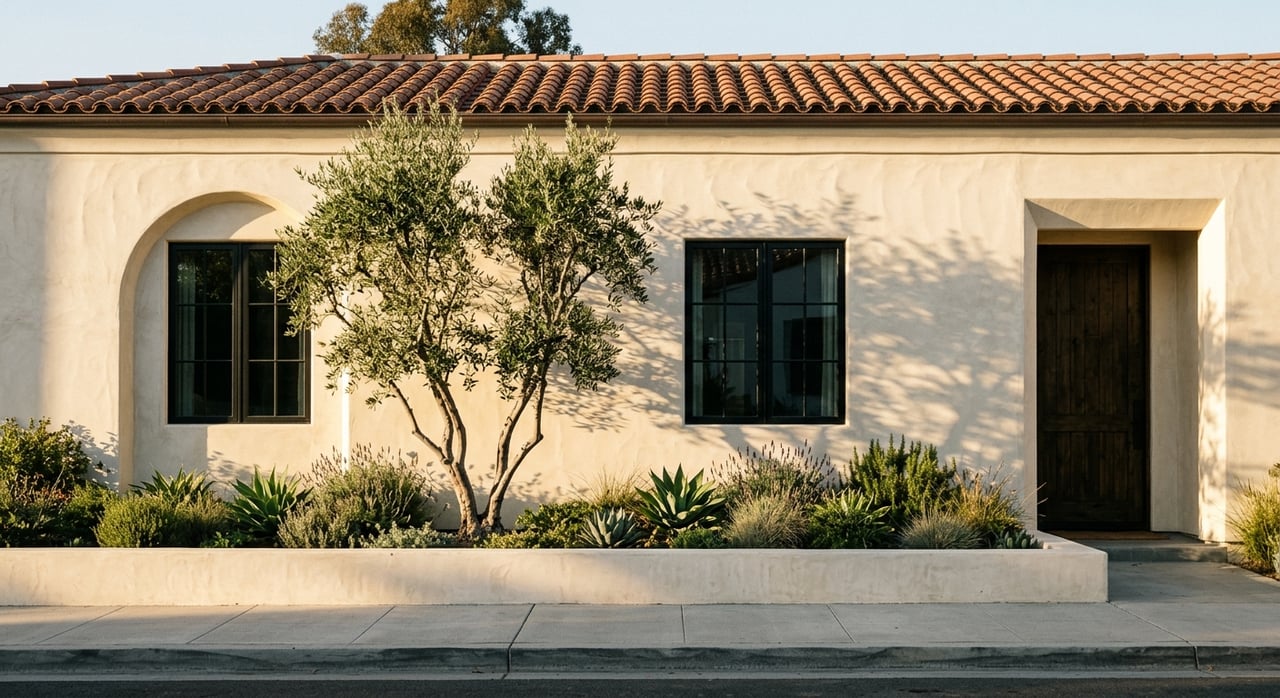
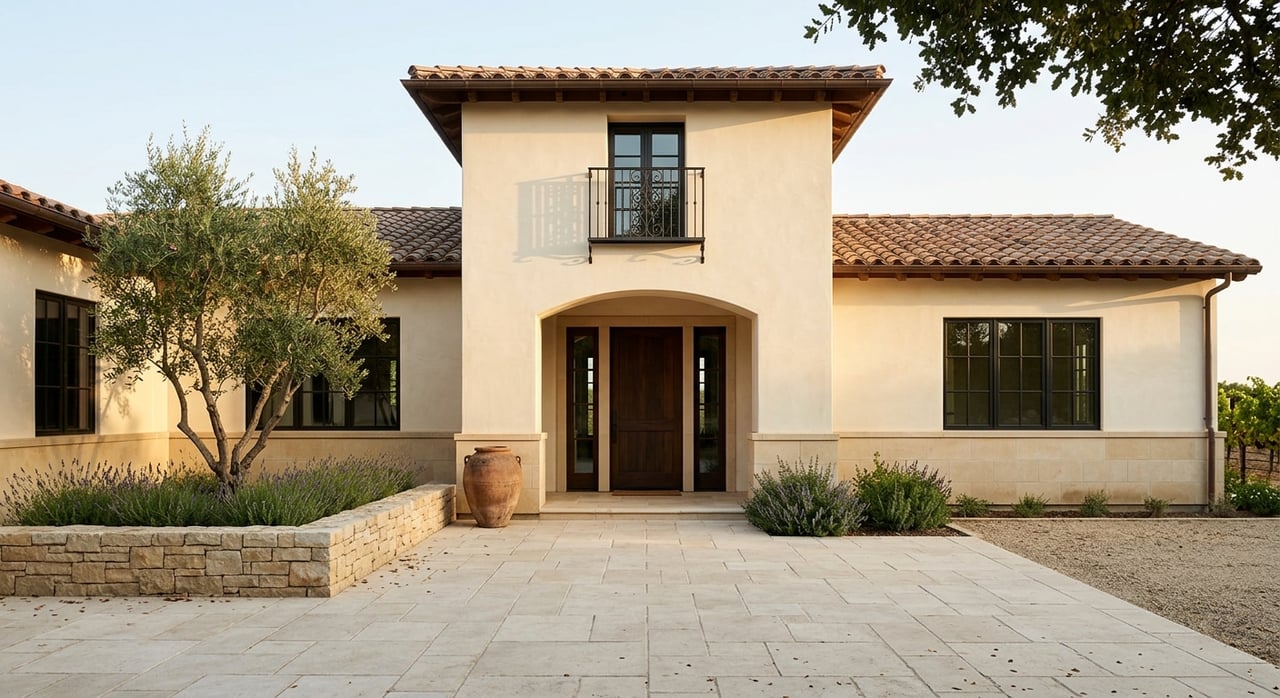
You do not need to renovate everything to make a strong impression. According to the National Association of Realtors consumer guidance, cleaning and decluttering windows, carpets, lighting fixtures, and walls can make a real difference. Curb appeal improvements such as landscaping or fresh paint can also help buyers respond positively before they even walk through the front door.
When budgets are limited, prioritize the areas buyers tend to notice most. NAR reports that the most commonly staged rooms are the living room, primary bedroom, and dining room, and that 83% of buyers’ agents said staging made it easier for buyers to visualize a property.
In many Templeton homes, your highest-impact prep areas may include:
These spaces help buyers picture how the home supports daily life. In a community like Templeton, usable yards and outdoor areas can be especially helpful in the overall presentation.
Decluttering is one of the simplest ways to improve how your home feels online and in person. Buyers are not just looking at your finishes. They are also looking for ease, storage, flexibility, and clean sightlines.
Go room by room and remove anything that makes the space feel crowded or too personalized. The goal is not to strip out all character, but to create a setting where buyers can imagine their own routines and furniture fitting naturally.
Start with:
A cleaner visual field also improves photography, which matters a great deal in today’s market.
Most buyers start online, and photos often shape whether they decide to visit in person. NAR says 81% of buyers rated listing photos as the most useful feature in their online search, and 52% found the home they purchased online.
That means your listing should not go live until the home is fully camera-ready. Cleaning, staging, lighting, and photo sequencing all matter because your first images create the first showing.
Make sure you have:
A polished launch often performs better than a rushed one, especially in a market where buyers are comparing a relatively small number of available homes very carefully.
Pricing is one of the most important decisions you will make. NAR notes that competitive pricing can expand the buyer pool, which can support both interest and timing. Its 2025 seller report also found that maximizing profit was the top priority for 58% of sellers, while 33% prioritized selling within their target timeframe.
Those two goals are closely connected. If you price too high at the start, your home may lose momentum. If you price thoughtfully based on current Templeton conditions, you may attract more serious buyers early.
National timing guidance from Zillow suggests that late spring is often the strongest time to sell, with stronger returns generally from March through July. Zillow also found that homes listed in the last two weeks of May earned an extra 1.7% last year, and that Thursday was the strongest day to list.
That does not mean every Templeton seller should list in May. It does mean you should plan ahead if you want to hit a spring or early summer window with a fully prepared home.
In California, wildfire preparation is not just a maintenance issue. It can also affect buyer confidence and insurance conversations. CAL FIRE recommends maintaining 100 feet of defensible space, keeping annual grass to four inches or less, and improving home hardening with measures such as ember-resistant vents, clean gutters, and protected eaves, siding, and windows.
This matters because Zillow found that insurance policy issues and natural-disaster risk are influencing many California sellers, and nearly half said at least one offer fell through because a buyer could not secure homeowner’s insurance. If your property needs wildfire-readiness work, addressing it before listing may help remove friction later.
Before your home hits the market, consider checking:
Even small steps can support a cleaner presentation and help you prepare for buyer questions.
Once your home is ready, the launch should feel coordinated, not pieced together. NAR guidance notes that MLS exposure usually provides the broadest reach and that the first open house the weekend after launch can help maximize exposure.
That first weekend is important because it is often when your home receives the most fresh attention. Strong pricing, professional photography, a polished presentation, and a clear marketing plan work best when they are all aligned from day one.
If selling feels overwhelming, that is completely normal. There are many moving parts, from prep and timing to pricing and marketing, but the process becomes much more manageable when you break it into steps and start early.
In Templeton, a successful sale often comes down to thoughtful preparation, realistic strategy, and attention to the details buyers notice most. If you want personalized guidance on when to start, what to improve, and how to position your home for the market, Annemarie Brast can help you build a plan that feels clear, polished, and tailored to your goals.
Stay up to date on the latest real estate trends.
A thoughtful, client-first approach paired with strong market knowledge creates a seamless and refined real estate experience. Every transaction is handled with precision, professionalism, and a calm, steady presence.